FormavinaPlywood sourcing · VietnamSend a specification
FormavinaPlywood sourcing · Vietnam
Send a specification

[email protected]

Plywood sourcing partner · Vietnam

Plywood sourcing in Vietnam, checked before it ships.

Formavina is an independent plywood sourcing partner. We find the Vietnamese mills whose lines fit your specification, audit them, compare their quotes line by line, inspect your order before it is loaded and keep the documents straight: EUDR, CE, CARB, FSC. Plywood is all we do.

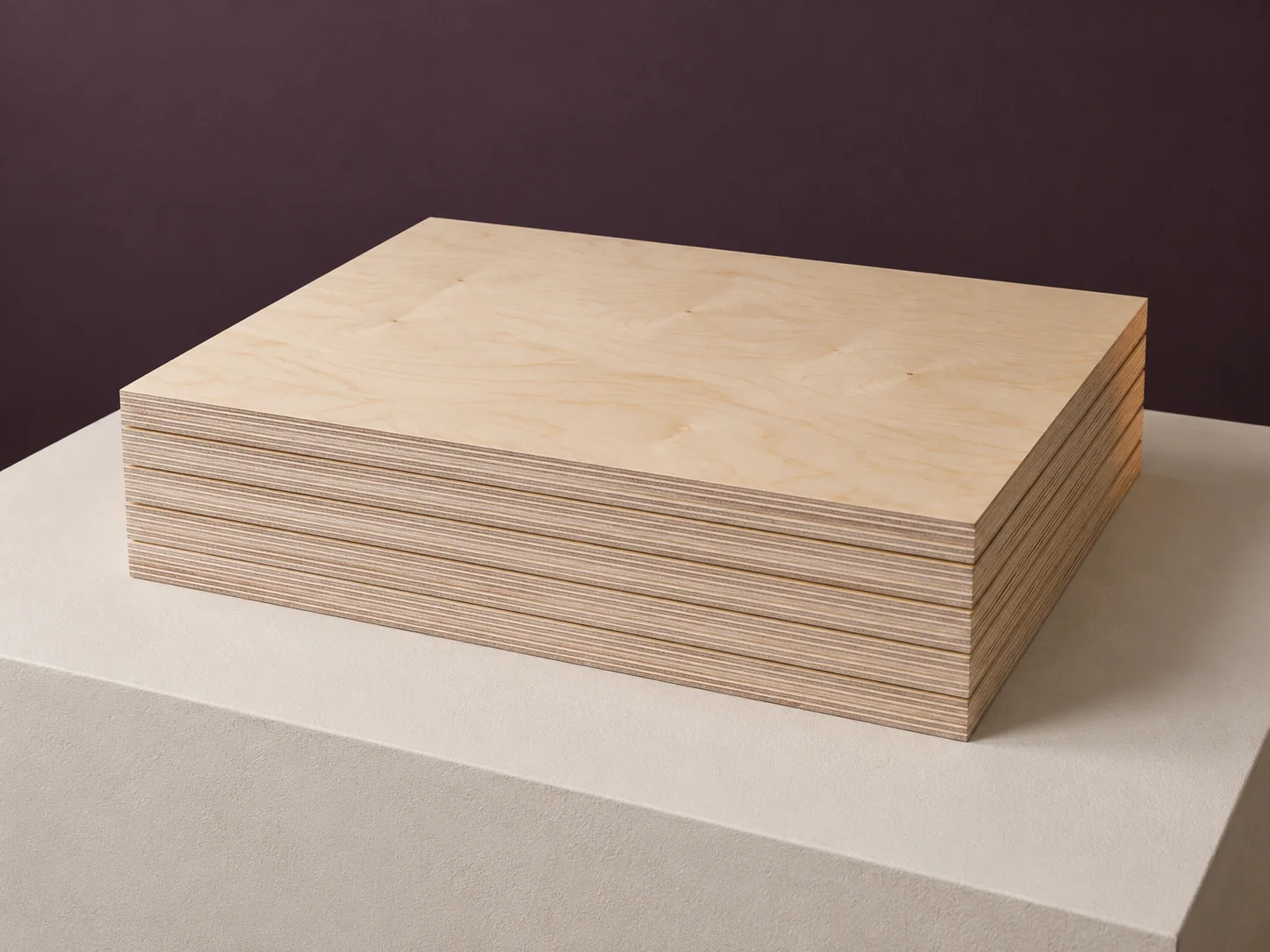
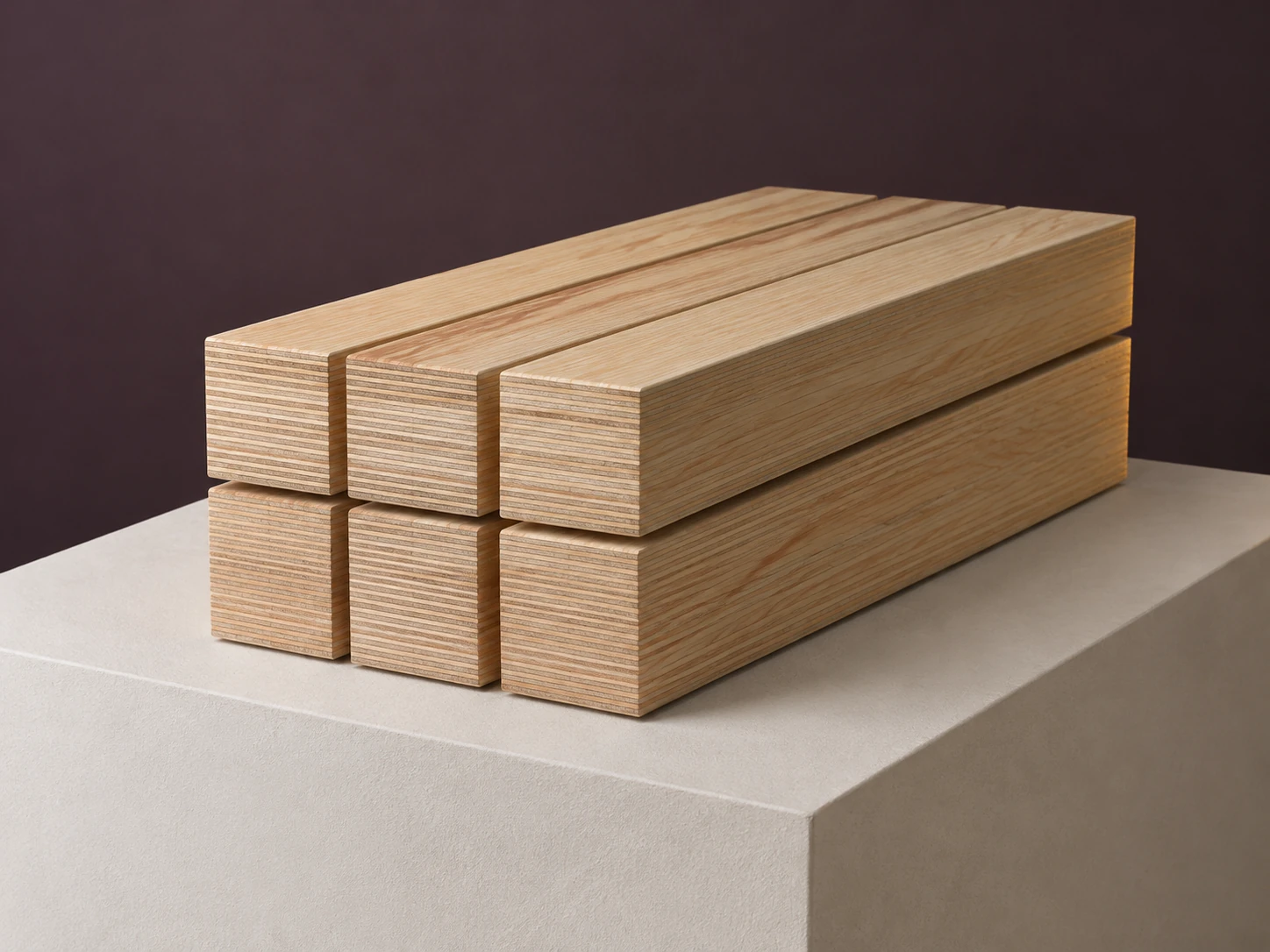
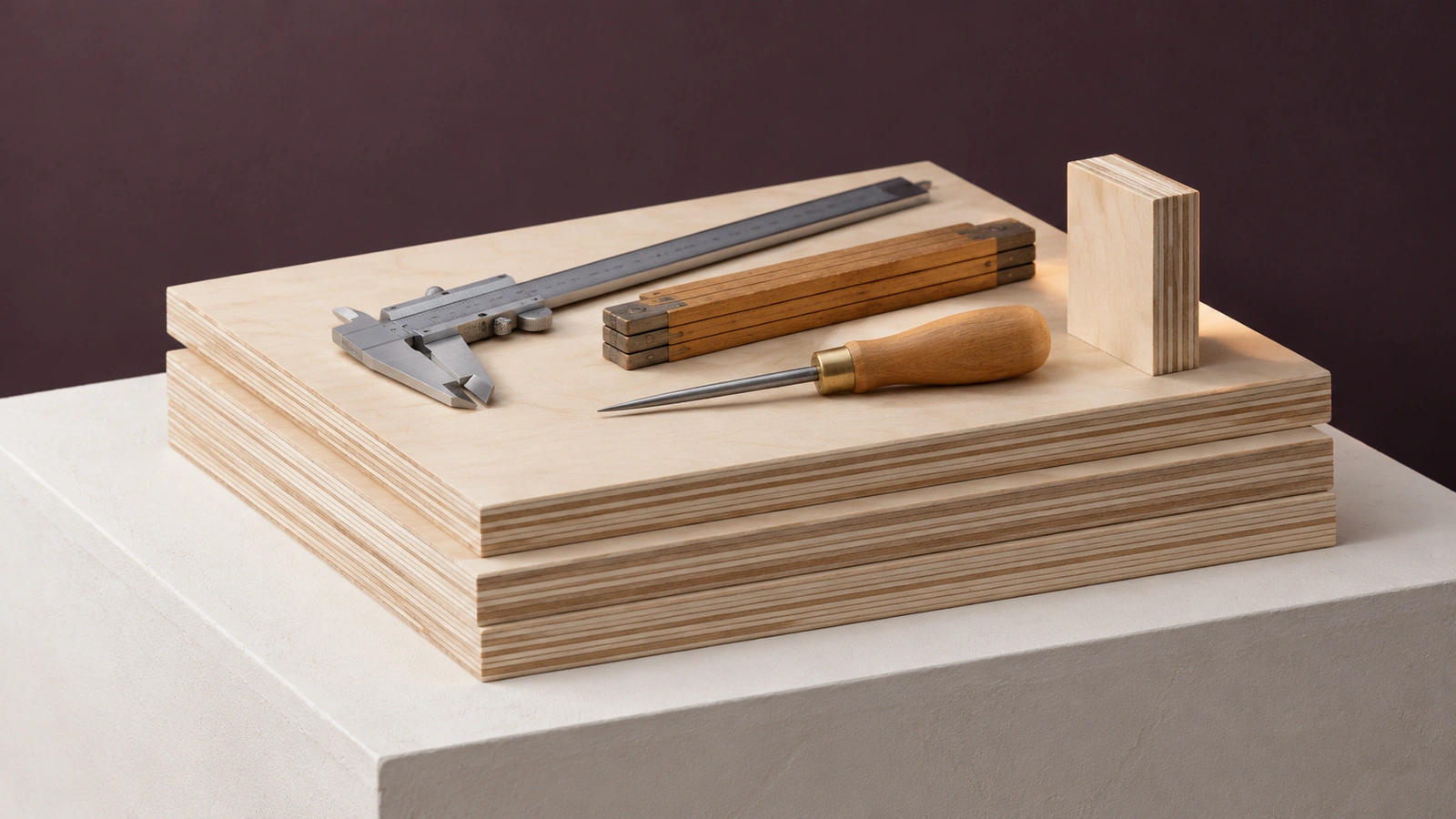
Caliper, folding rule and awl resting on a stack of three birch-faced plywood panels on a plaster plinth, eleven thin plies visible on each edge
Plate I · The tools of a pre-shipment check
Scope
Plywood only, every family
Before your deposit
You know the mill
Before loading
Photo inspection report
Who pays us
The mill on orders; you only for stand-alone checks
  • Supplier vetting
  • Factory audits
  • Samples
  • Price benchmarking
  • Pre-shipment inspection
  • Loading checks
  • Mixed containers
  • EUDR dossiers
  • CE and DoP
  • CARB P2 / TSCA
  • FSC claims
  • Order follow-up

Who we are

We are not a mill, and we do not pretend to be one. We work between your specification and the Vietnamese mill that should make it.

Plenty of suppliers call themselves manufacturers and then buy from other mills. Buyers find out at the worst moment: a container that does not match the sample, a core that changed after the first order, a certificate that belonged to someone else. We work the other way round. We say what we are, we tell you which mill will make your order, and we check that mill before you pay a deposit.

Vietnamese plywood mills are good at making plywood and are rarely staffed for export. Most have no English-speaking sales team, no one to read a specification line by line and no one to chase documents. We do that work for them, which is why they work with us openly, and why we can stand in their yard with a caliper before your container is closed.

Plywood is our only trade: furniture and interior grades, commercial, film-faced and anti-slip, packing and LVL. One product, known in detail, from the core veneer to the B/L.

The right mill. Checked before it ships.

Services

Eight services around one plywood order

Book one, or let us run the whole order. Every service ends in something you can read and keep: a shortlist, an audit report, a comparison sheet, an inspection report with photos, a document set.

01

Supplier vetting and shortlist

We match your specification to mills whose lines actually make it, and check that each one is a producing mill rather than a reseller.

  • Mill or trader: lines, presses and veneer stock seen
  • Registration and export history checked
  • Certificates matched to the product, not just the company
  • A shortlist with the reason for each mill
02

Factory audit

A day on site at the mill before the first order, written up against one checklist, with photos you can keep.

  • Peeling, drying, gluing, pressing and sanding lines
  • Core and veneer stock, glue type and storage
  • QC records, moisture and thickness control
  • The wood-origin data the mill can really supply
03

Samples

Samples from the shortlisted mills, made to your sheet and sent together in one parcel with a written comparison.

  • The same specification sent to every mill
  • Labelled by mill and build
  • Thickness, plies and faces measured before sending
  • Kept as the reference panel for the order
04

Price benchmarking

Quotes from several mills on one specification, compared line by line, so the cheapest offer is the same panel and not a thinner one.

  • Core grade, joining and veneer thickness
  • Glue system and emission class
  • Face grade, sanding and tolerance
  • Packing, loading and payment terms
05

Pre-shipment inspection

We inspect the finished goods at the mill before loading and send the report before you pay the balance.

  • Thickness, size, squareness, face and back
  • Core gaps, overlaps, delamination, moisture
  • Count, marking and packing against the PI
  • Photo report; AQL sampling by agreement
06

Mixed containers

Several items in one 40HC when no single line makes all of them well: we plan the load, check each item at its mill and photograph the loading.

  • 3–6 items per 40HC, agreed before the PI
  • Load plan by weight and bundle size
  • Loading photos, bundle by bundle
  • One exporter of record, invoicing the whole container
07

Documents and compliance

We tell you which documents your market needs, get them from the producing mill, check them against the goods and send drafts before shipment.

  • EUDR dossier with plot geolocation (GeoJSON)
  • CE marking and DoP to EN 13986
  • CARB P2 / TSCA Title VI for the US
  • FSC claim on sales documents; C/O incl. EUR.1
08

Order follow-up

From deposit to arrival: production dates, photos during production, loading, the B/L, and claims taken up with the mill if something is wrong.

  • Production schedule and weekly status
  • Photos at pressing, finishing and packing
  • Document drafts for your approval
  • Claims raised with the mill, in Vietnamese

How it works

From specification to container, step by step

Most of a first order's time goes to samples and to the mill's 15–45 days of production. Everything else is ours to keep moving.

  1. 01

    Brief

    You send the application, specification, quantity and destination. If the sheet has gaps, we ask before anyone quotes.

  2. 02

    Shortlist

    We pick the mills whose lines fit, tell you who they are and why.

  3. 03

    Audit and samples

    We visit, write up the audit and send samples made to your sheet.

  4. 04

    Quotes compared

    Quotes on the same sheet, compared line by line. You choose the mill.

  5. 05

    PI and deposit

    The mill issues the PI and contract; you pay the deposit to the mill's own account.

  6. 06

    Production

    We track dates and send photos while your order is pressed and finished.

  7. 07

    Inspection, loading, balance

    We inspect before loading and photograph the load. You approve the documents and pay the balance against the B/L scan; we stay on until it is unloaded.

Factory audit

What we check when we audit a mill

One checklist for every mill, written up the same way, so two mills can be compared on paper before you compare their prices.

Mill audit checklist

Formavina · audit
  1. A.1

    Is it the mill?

    Peeling, drying, glue mixing, pressing and sanding on site and running, not only a warehouse and a sanding line.

  2. A.2

    Lines that fit your order

    Press sizes, the thicknesses and formats it runs every week, and how much of your volume it can take without subcontracting.

  3. A.3

    Raw material

    Core species and grade in stock, face veneers, glue type and supplier, film weight on film-faced lines.

  4. A.4

    Process control

    Veneer moisture before gluing, press time and temperature, cold and hot pressing routine, thickness checks after sanding.

  5. A.5

    QC and records

    Who grades, against what, what is written down, and how rejects are kept apart from good sheets.

  6. A.6

    Documents

    Business registration, export records, certificates and their scope, test reports and the dates on them.

  7. A.7

    Wood origin

    Where the logs and veneer come from, and whether the mill can supply the EUDR data: species, quantity, plot geolocation and production dates.

  8. A.8

    Packing and loading

    Pallets, edge protection, strapping, marking, and how containers are loaded and photographed.

Pre-shipment inspection

What we measure before the container is closed

Limits depend on the product line, so the inspection uses the limits written on your PI. The usual ranges for Vietnamese plywood are below; we check against yours.

Pre-shipment inspection: what we check, how, and the usual limits
CheckHow we checkUsual limit (agree yours on the PI)
ThicknessCaliper at several points per sheet, sheets drawn from different bundlesSanded furniture ±0.2–0.3 mm; commercial and film-faced ±0.5 mm; packing ±0.5–1.0 mm
Length, width, squarenessTape and diagonals±2 mm on length and width
Face and backGraded in daylight against the agreed grade and the reference sampleFace and back grade as ordered
CoreEdges inspected; test pieces cut for gaps, overlaps and core speciesCore species and grade as ordered; no gaps beyond the grade
BondKnife and boil tests on cut pieces, where agreedMethod and result as agreed, e.g. boil hours or EN 314 class
MoistureMoisture meter on sheets from several bundlesAs agreed on the PI
Film and edgesFilm weight on paper, surface check, edge sealing (film-faced and anti-slip)Film g/m² and pattern as ordered; edges sealed
Emission paperworkCertificate or test report matched to the product and the glueE0, E1 or CARB P2 / TSCA as ordered
Count and packingBundles and sheets counted, labels, protection and straps checkedMatches the PI and the packing list

The ranges above are usual in Vietnamese mills, not a promise for every order. The sampling plan (for example ISO 2859-1 AQL) and the limits are written into the order before production starts.

Price benchmarking

Two quotes for “18 mm plywood” are rarely the same panel

When one offer is much cheaper, it is usually a different construction. The difference comes from core grade, joining method, face preparation, adhesive system and tolerance. We put every quote on the same sheet and show where the money goes.

What we compare between quotes from different mills
Line on the sheetWhat changes between millsWhy it moves the price
CoreSpecies (styrax, eucalyptus, acacia, mixed), grade A or AB, joined or looseSpecies and grade set weight, flatness and how many sheets fail
PliesFor example 11 or 13 plies in 18 mm, veneer thicknessFewer, thicker veneers cost less and behave differently
Glue and emissionMR/melamine or phenolic; E0, E1, CARB P2On film-faced panels, the glue system is the biggest cost line
Face and backSpecies, grade, veneer thickness, sandingA thin or patched face is cheap until it is sanded
Tolerance±0.2 mm sanded or ±1.0 mm packingTight tolerance means sanding, sorting and rejects
Packing and termsPallets, protection, FOB or CFR, paymentCheap packing shows up as damage at destination
01

One sheet to every mill

Every mill quotes the same specification, so nobody wins by quoting a cheaper build you did not ask for.

02

No price list

Plywood prices move with logs, glue and freight. You get dated quotes from mills, not a list that is wrong next month.

03

One price, one invoice

On orders placed through us, the mill's FOB price already includes our commission, paid by the mill, and we pass it on unchanged. You pay the mill; there is no second invoice from us.

Mixed containers

Several items, one container, one set of checks

Buyers often need four thicknesses and two grades, not a container of each. One line rarely makes all of them well, so we combine items from more than one line into one 40HC, by agreement.

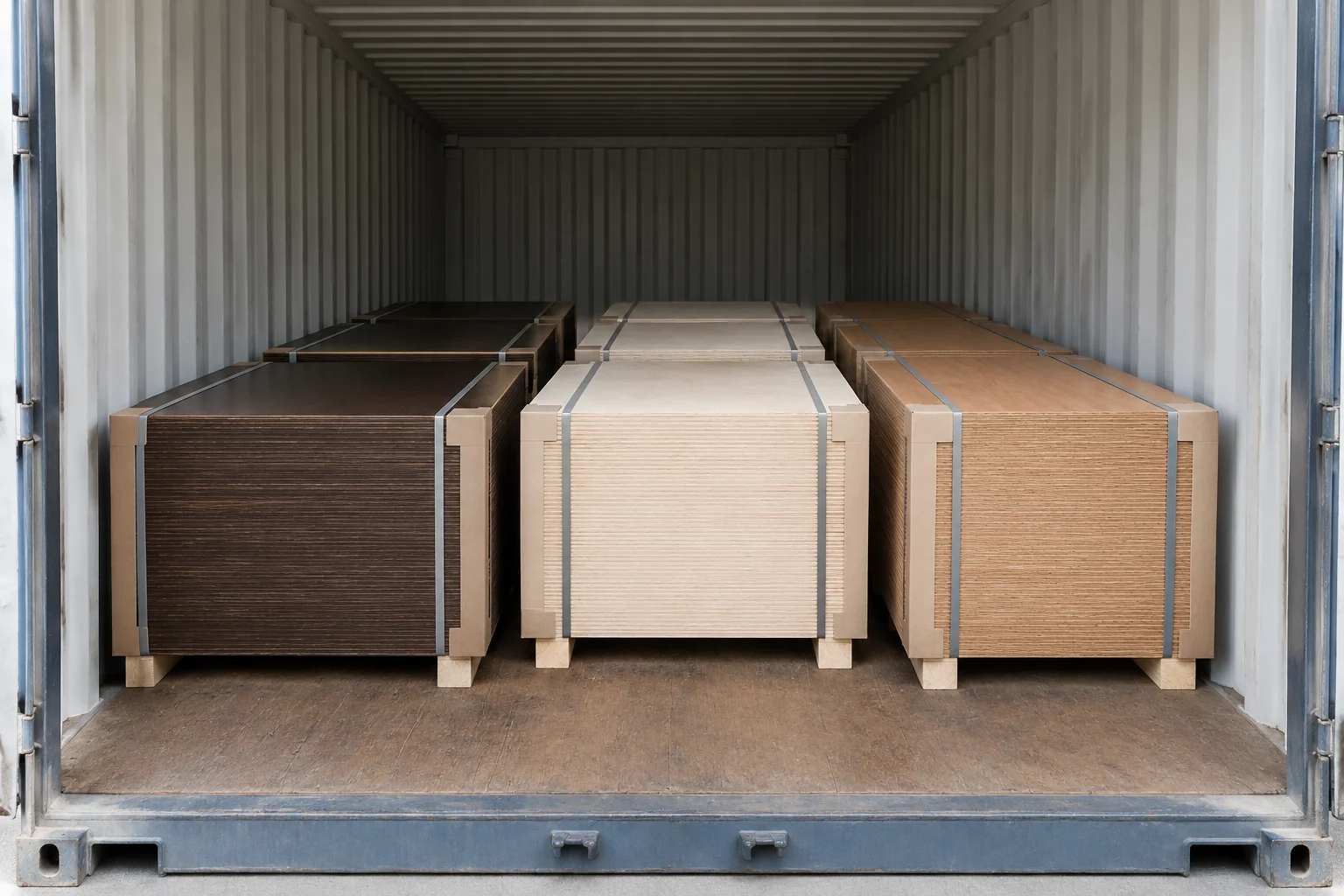
Inside a shipping container: bundles of film-faced, birch-faced and packing plywood on wooden bearers with corner protectors and steel straps

Example 40HC: four items planned by weight and bundle size

  • 3–6 items per 40HC, agreed before the PI
  • One mill is exporter of record and invoices the whole container; each item's certificates and EUDR data still come from the mill that made it
  • Each item inspected where it was made, before it moves
  • Heavy cores reach the weight limit before the container is full: the load plan starts from weight

Documents and compliance

The documents your market asks for, from the mill that made the goods

Certificates and test reports belong to the producing mill or its certifier. We check that they cover the product you are buying, then collect the shipment documents and send drafts before loading.

  • EUDRMill dossier with species, quantity, plot geolocation (GeoJSON) and production dates, for your due diligence statement.
  • CE · EN 13986CE marking and Declaration of Performance for plywood used in construction in the EU.
  • CARB P2 / TSCAFormaldehyde compliance for hardwood plywood sold in the United States.
  • FSCFSC claim on invoice and delivery documents, from a certified chain of custody.
  • US AD/CVDHardwood and decorative plywood from Vietnam faces US anti-dumping and countervailing duty cases (A-552-851, C-552-852) with very high rates. Structural PS 1/PS 2 panels and phenolic film-faced plyform are outside their scope: check scope before you order.
  • E0 · E1Emission class with its test method; in the EU, wood-based articles may not exceed 0.062 mg/m³ (REACH Annex XVII entry 77, chamber test) from 6 August 2026.
  • PPWRFrom 12 August 2026: packaging materials checked against the 100 mg/kg heavy-metal limit of Regulation (EU) 2025/40.
  • OriginCertificate of origin (EUR.1 for the EU), invoice, packing list and B/L drafts for your approval.
  • ISPM 15Plywood is processed wood and outside ISPM 15; solid-wood pallets and bearers are heat-treated or fumigated and marked.
  • We hold no certificates in our own name. Every certificate and report we send is the producing mill's, checked against your product.

EUDR

EUDR: what the mill supplies and what stays with you

From 30 December 2026 an EU importer of plywood is an operator under the EUDR and needs a due diligence statement before customs; this includes micro and small importers already covered by the EUTR (only other micro and small operators have until 30 June 2027). The mill supplies the data; the statement is yours. We get the mill's dossier, check that species, quantity and plots match the goods, and send it with the shipment documents.

Vietnam is listed as low risk, which allows simplified due diligence when every commodity in the product comes from low-risk countries. Read Regulation (EU) 2025/1093

Dossier contents

  1. Product description (plywood, ex HS 4412)
  2. Wood species, common and scientific names, for core, face and back
  3. Quantity
  4. Country of production
  5. Geolocation of every production plot (polygons for plots over 4 ha)
  6. Date or time range of production

Fees

How we are paid, said upfront

A sourcing partner who will not say who pays them is a risk. This is how it works with us.

Orders placed through us
The mill pays us a sales commission. It sits inside the mill's FOB price, which we pass on unchanged; you pay the mill directly and get no invoice from us.
Audit or inspection only
For a mill you found yourself: a fixed fee per job, quoted and agreed before we travel.
Samples
Usually free from the mill; you book the courier, and the cost can be credited against a first order.
Payment to the mill
Usually 30 % deposit and 70 % against the B/L scan, by T/T or L/C at sight; FOB Hai Phong, CFR or CIF.
What you will not see
A retainer, a second invoice with a hidden mark-up, or a commission we have not told you about.

Why mills pay: most Vietnamese plywood mills have no export sales team, and we do that work for them. We are paid when an order ships; we keep earning only if you come back.

Who we work for

Importers, distributors and manufacturers buying by the container

Our work starts from where you are with Vietnam.

  • First order from Vietnam

    You know plywood but not Vietnamese mills. We shortlist, audit and run the first order with you.

  • Moving from China, Indonesia or Malaysia

    Same specification, new origin: we map your current panel onto the mills that make it and compare.

  • You already have a mill

    Book the audit, the pre-shipment inspection or the document check on its own.

  • Repeat and mixed orders

    Merchants and OEM buyers with several items and several mills, on one schedule.

Close up

What an inspection looks at

Real photographs of Vietnamese plywood: faces, edges, film and straps. These are the details a container is accepted or rejected on.

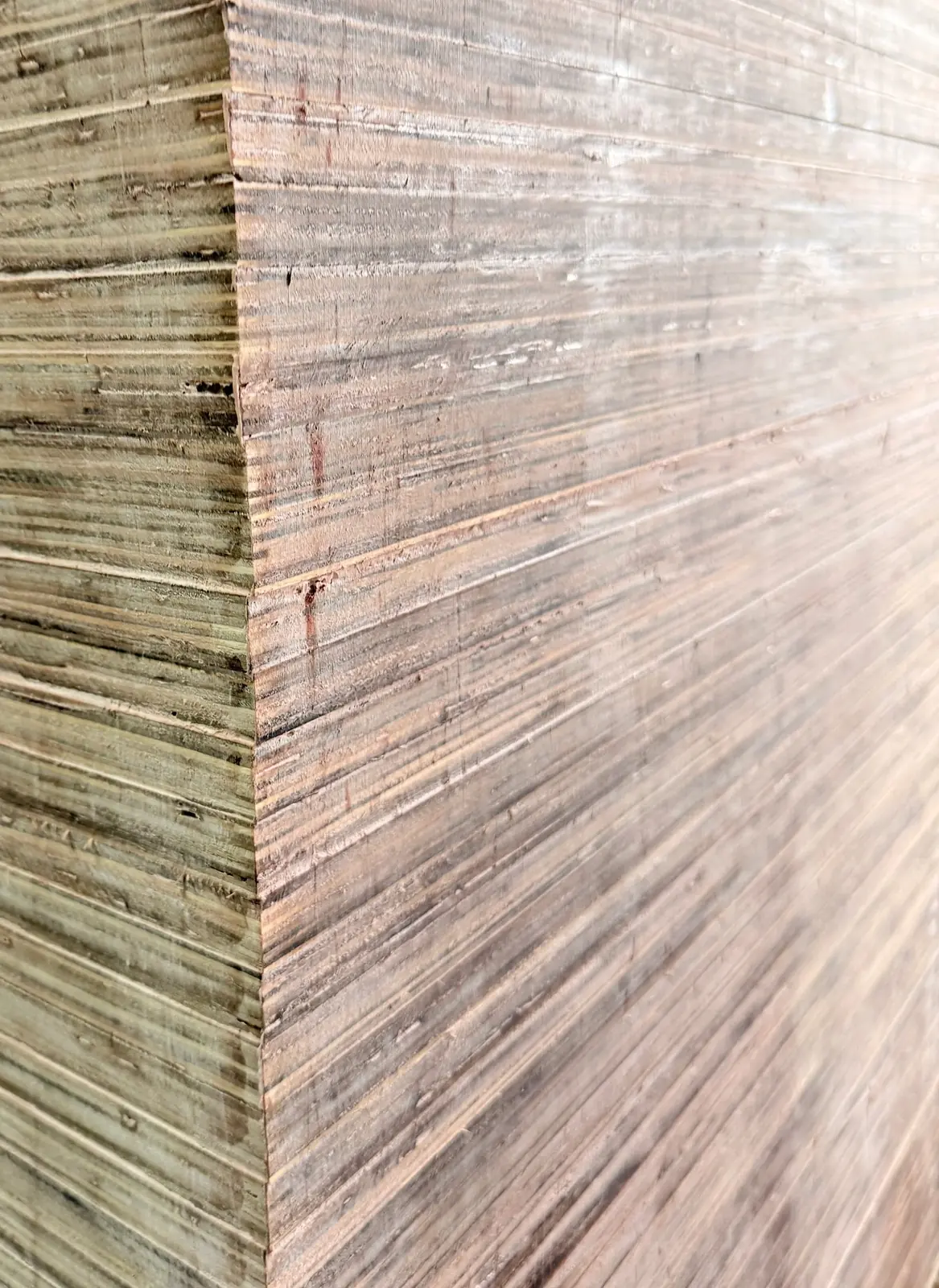
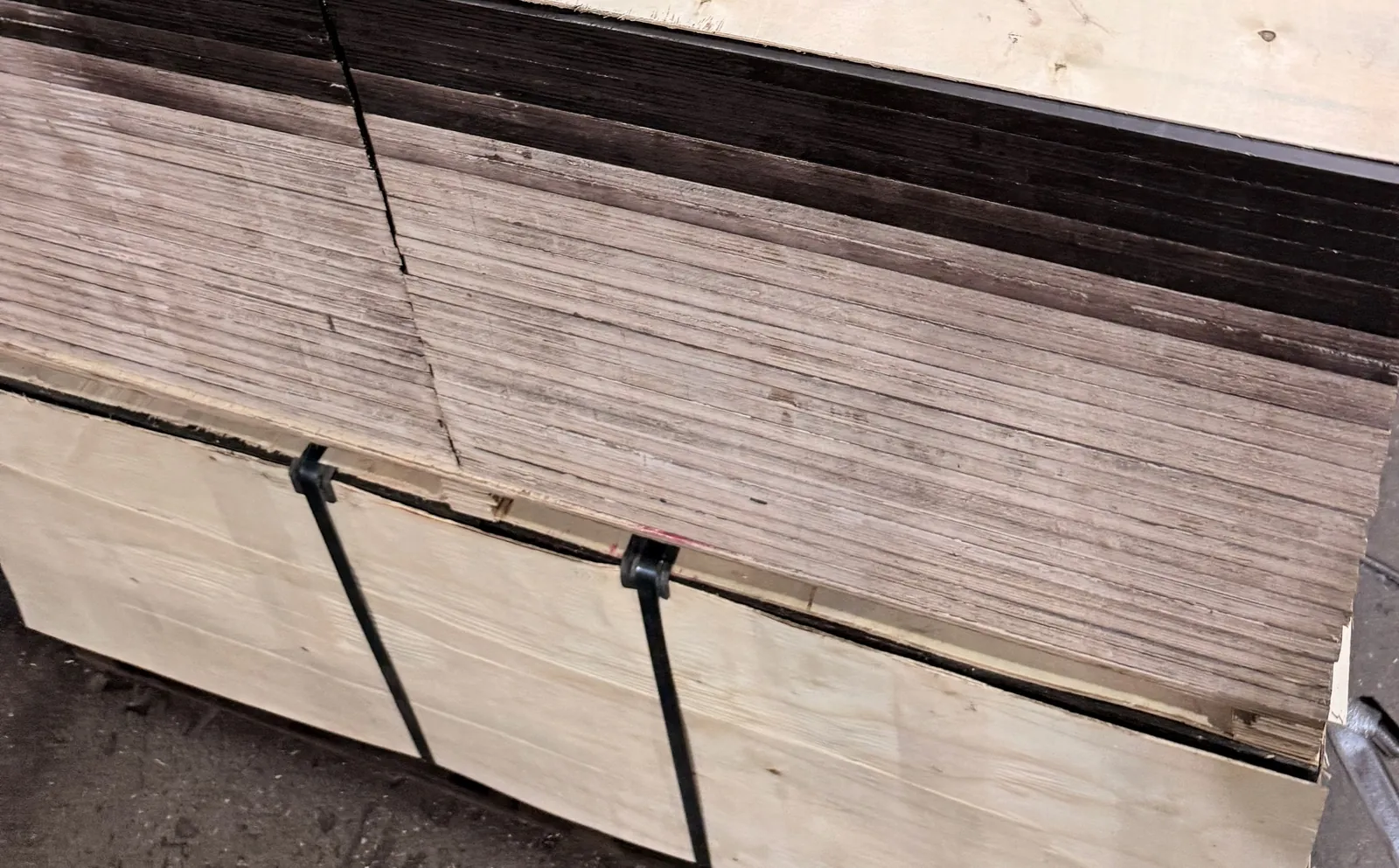
  • Close view of the corner of a tall pack of film-faced plywood, many layered sheet edges
    Real photographEdges of a film-faced pack: count the plies
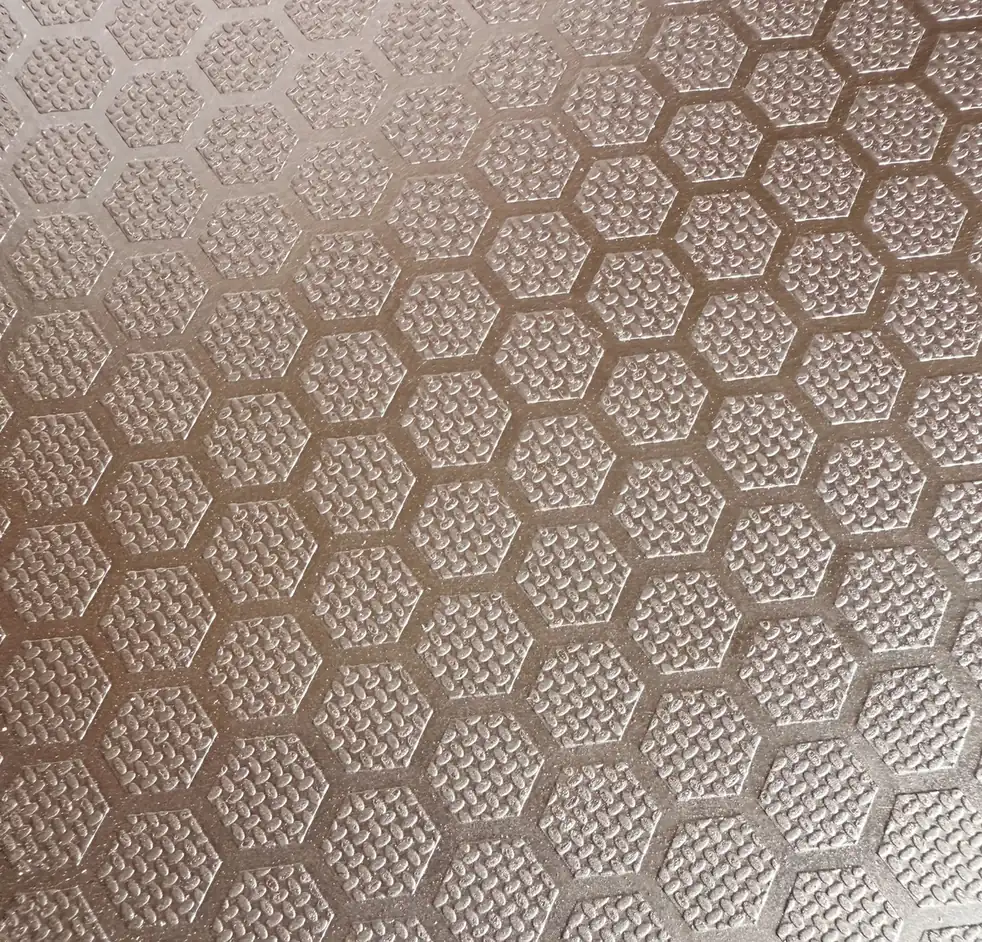
  • Close view of a brown anti-slip plywood face embossed with a hexagon pattern
    Real photographAnti-slip film: pattern and depth
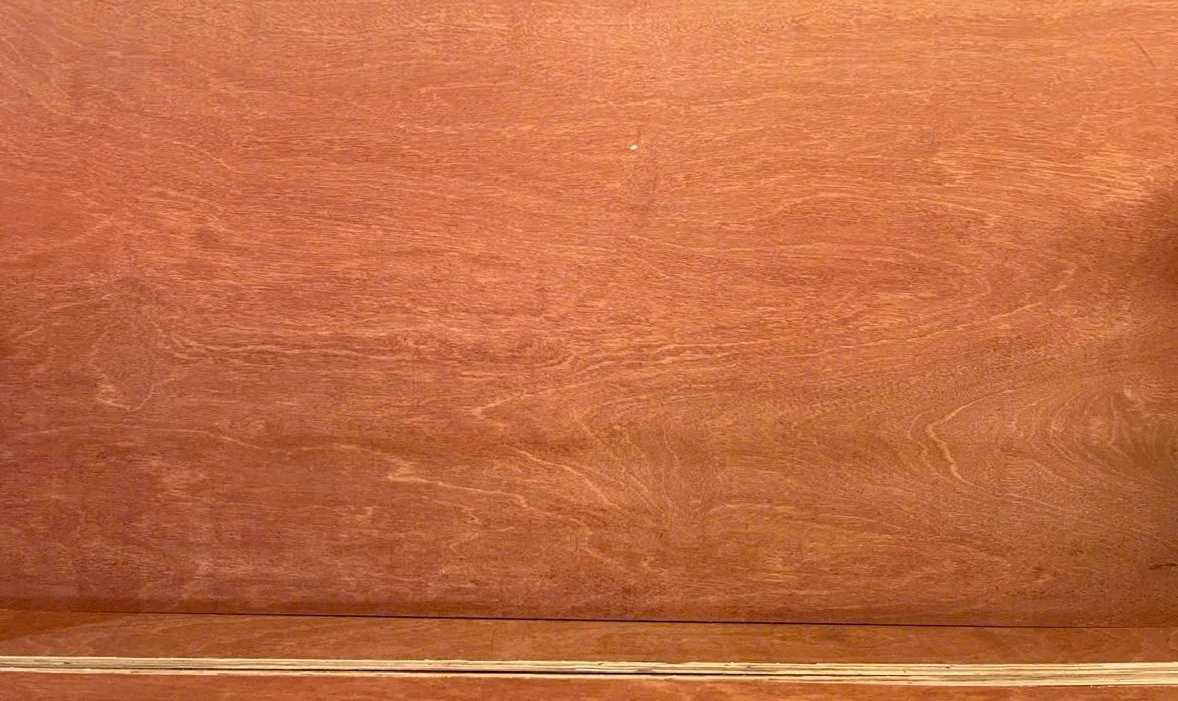
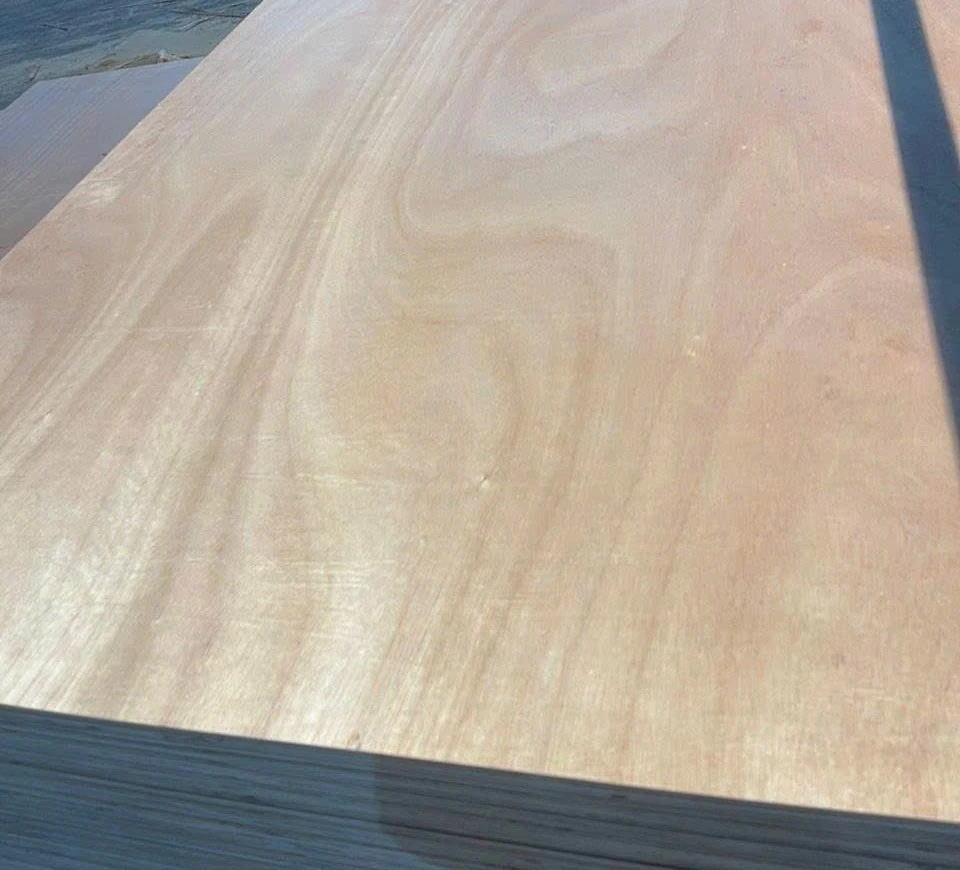
  • Warm red-brown gurjan plywood face with broad grain figure
    Real photographGurjan face, graded in daylight
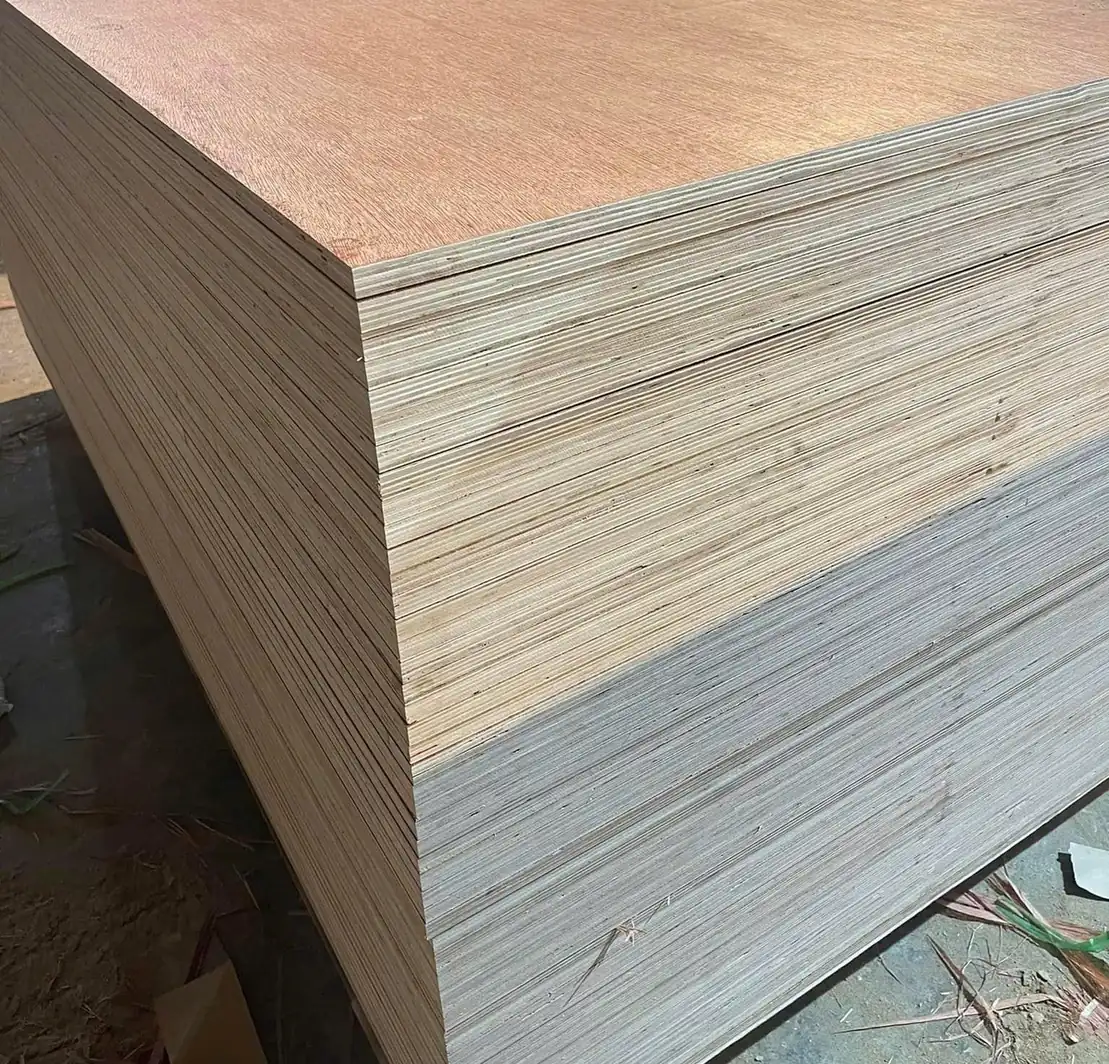
  • Reddish bintangor plywood face on a pack with the layered light edge below
    Real photographBintangor face over a layered edge
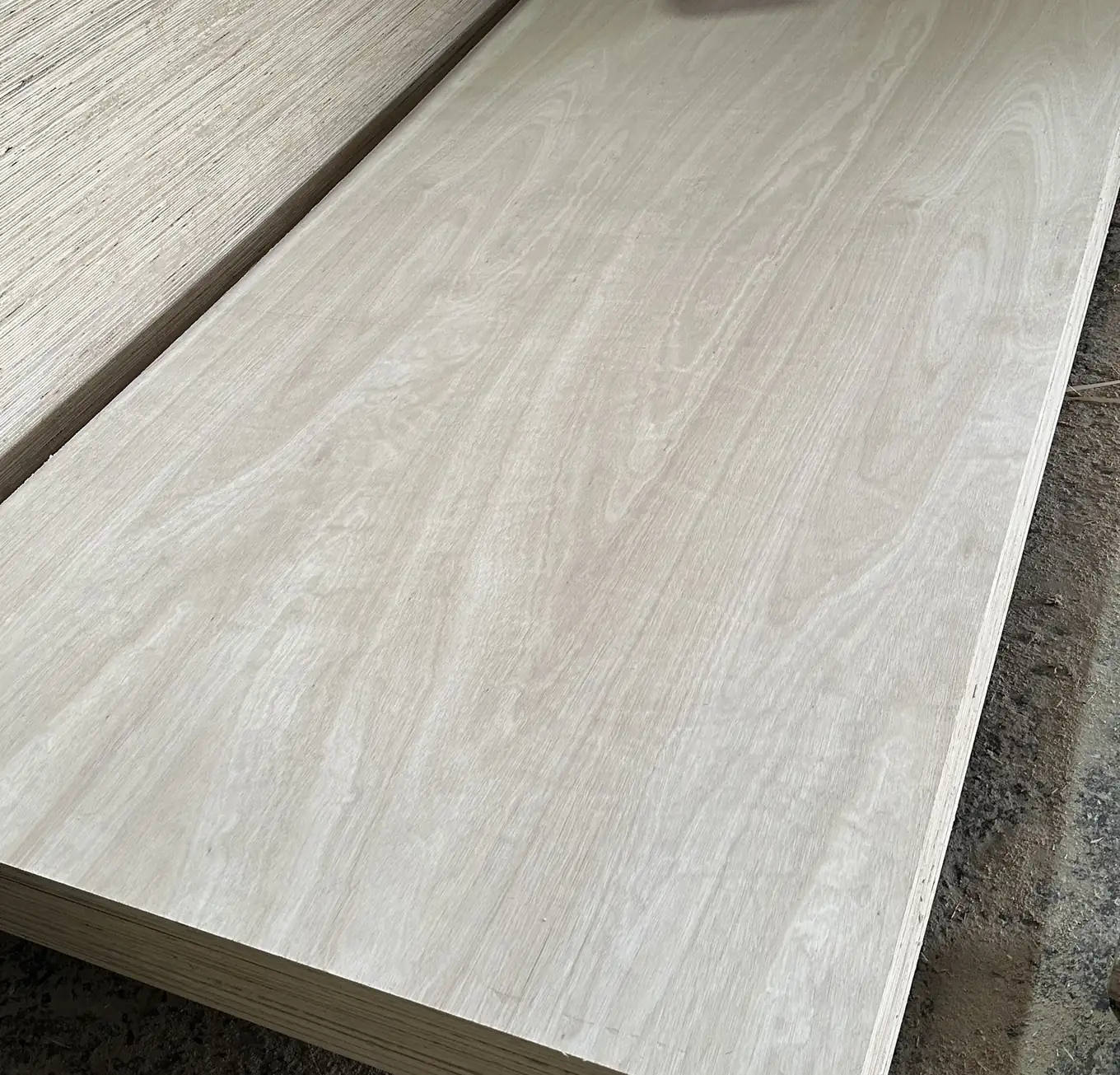
  • Pale eucalyptus plywood face beside a stack of sheet edges
    Real photographEucalyptus face beside stacked edges
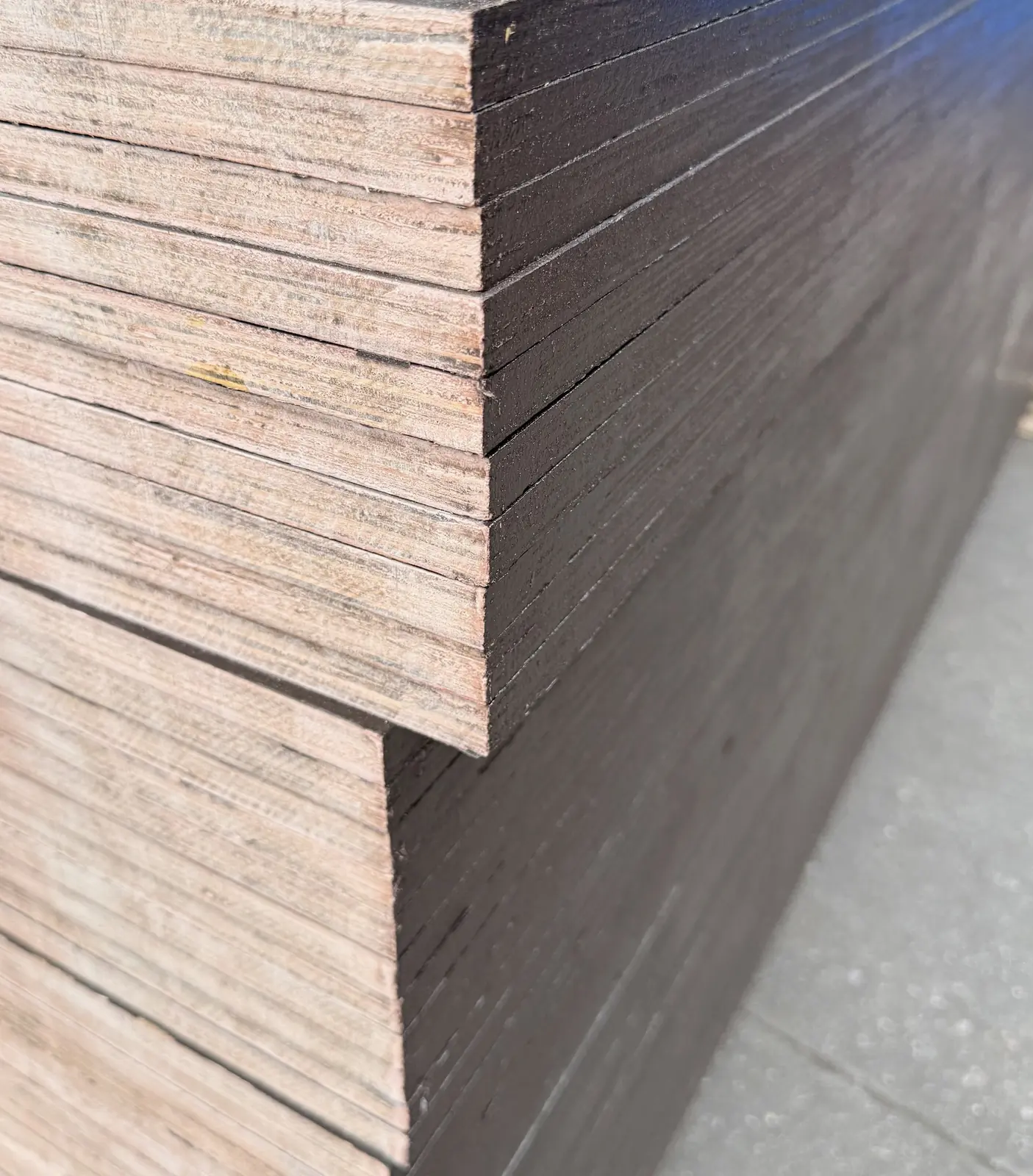
  • Dark film face and layered edges of film-faced plywood sheets on a pack
    Real photographFilm face and sealed edges
  • Pinkish-beige okoume plywood face with wavy figure on a pack
    Real photographOkoume face, checked for patches
  • Corner of a strapped plywood bundle with steel bands and buckles over the layered sheets
    Real photographStraps and corners before loading

What you can verify

Nothing you have to take on trust

Formavina is a new name, so everything we do is built to be checked. We have no reviews or case studies to show yet; we will publish them when they exist, with the buyer's permission.

  • The mill's name before you pay a deposit
  • A visit to the mill, with us or on your own
  • The full audit report and photos, not a summary
  • Inspection photos before every loading
  • Certificates and test reports from the producing mill, checked against your product
  • Deposit and balance paid to the mill's own bank account
  • Our fee model in writing before you order

Send a specification

What to send us

Plywood is quoted from the application, not the product name. Six answers are enough to start; we ask about the rest.

  1. 01

    Application

    Furniture, cabinets, packing, formwork, flooring or vehicle floors; indoor or outdoor.

  2. 02

    Core

    Species and grade, joined or loose, stitched or not.

  3. 03

    Glue and emission

    MR or phenolic; E0, E1, CARB P2 / TSCA; a boil test if you need one.

  4. 04

    Face and back

    Species, grade, sanding, UV-ready, or film weight for film-faced.

  5. 05

    Panel

    Thickness, size, tolerance, cut-to-size.

  6. 06

    Order

    Quantity, destination port, timing, the documents your market needs and the services you want.

Compose your brief

Tick what applies; your email app opens with a brief ready to fill in. Nothing is sent until you press send.

Plywood
Services
Open the email

This opens your own email app, addressed to [email protected]. We reply from the same address.

Questions

Questions buyers ask a sourcing partner

What does a plywood sourcing agent in Vietnam do?

A sourcing agent finds the mills that can make your plywood, checks them and manages the order with them. Formavina does this for plywood only: we vet and audit mills, collect samples, compare quotes on one specification, inspect the goods before loading, prepare the documents your market needs and follow the order to arrival. Unlike agents paid by the buyer, we are paid a commission by the mill; the fees section explains how.

Are you a manufacturer?

No. We do not own a mill. We work with Vietnamese plywood mills that we have audited, and we tell you which mill makes your order before you pay a deposit. The mill signs the contract, receives the payments and issues the export documents.

Who pays Formavina?

On orders placed through us, the mill pays a sales commission that is already inside the mill's FOB price, which we pass on unchanged; you pay no separate fee. If you only want an audit or an inspection of a mill you found yourself, we quote a fixed fee per job before we start.

If the mill pays you, whose side are you on?

The order's. We are paid when an order ships, and we keep earning only if you come back. We work with several mills and none of them owns us: when a mill fails an audit or an inspection, we say so and the order moves. If you want a check with no commission involved, book the audit or inspection as a fixed-fee job.

Can I visit the mill?

Yes. You will know the mill's name before the deposit, and you can visit with us or on your own.

What does a factory audit cover?

One day on site per mill against one checklist: whether it really produces (peeling, drying, gluing, pressing, sanding), whether its lines fit your panel, raw material and glue, process control and QC records, certificates and their scope, wood origin and EUDR data, packing and loading. You receive the written report with photos.

How does the pre-shipment inspection work?

When production is finished and before loading, we draw sheets from several bundles and check thickness, size, faces, core, bond, moisture, film and edges, emission paperwork, count and packing against your PI. You get a photo report before you pay the balance. The sampling plan, for example ISO 2859-1 AQL, is agreed before production.

Is Vietnamese plywood as good as Chinese, Indonesian or Malaysian plywood?

It depends on the mill and the specification, not the country. Vietnamese mills are strong in plantation-wood cores (eucalyptus, acacia, styrax) grown close to the mills, in furniture and film-faced grades for Europe, and in documents: Vietnam is classed low risk under the EUDR. A low price can still hide a weak core, so we compare offers on one specification whichever country they come from.

Does Vietnamese plywood face duties in the United States?

Hardwood and decorative plywood from Vietnam is the subject of US anti-dumping and countervailing duty cases (A-552-851 and C-552-852) with very high rates, and panels finished in Vietnam with Chinese face, back or core veneers can be treated as Chinese. Structural PS 1/PS 2 panels and phenolic film-faced plyform fall outside the scope. Check the scope and the current status for your product with your customs broker before ordering.

What are the usual MOQ, lead time and payment terms?

Usually one 40HC, with several items by agreement; 15–45 days of production after the deposit; 30 % deposit and 70 % against the B/L scan by T/T, or an irrevocable L/C at sight; FOB Hai Phong, CFR or CIF. These are the mill's terms and are confirmed on its PI.

Can you combine products from different mills in one container?

Yes, 3–6 items per 40HC by agreement. Each item is inspected where it is made and the load is planned by weight and bundle size. One mill is exporter of record and invoices the whole container; each item's certificates and EUDR data still come from the mill that made it, and FSC-claimed items need a certified chain at every step.

Which documents will I get for EUDR, CE and CARB?

For the EU: the mill's EUDR dossier (species, quantity, plot geolocation in GeoJSON, production dates) for your due diligence statement, and CE marking with a Declaration of Performance to EN 13986 for construction use. For the US: CARB P2 / TSCA Title VI compliance. Plus the commercial invoice, packing list, B/L and certificate of origin (EUR.1 for the EU). All are issued by the producing mill or its certifier.

Do you source anything other than plywood from Vietnam?

No. Plywood and LVL from Vietnamese mills only. Keeping to one product is what lets us read a specification, an audit and an inspection in detail.

Contact

Send your specification, or the problem you are trying to solve.

Write in English or Vietnamese. A person who reads plywood specifications answers every message.

Based in
Vietnam
Languages
English · Tiếng Việt